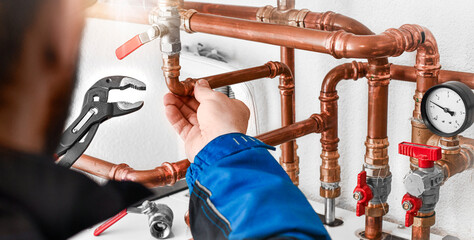
The Importance of Proper Plumbing Maintenance

Plumbers Lehi Utah

Plumbing systems provide clean water and dispose of waste, yet they’re often taken for granted until something goes wrong. Proper plumbing maintenance minimizes emergency repairs and extends the lifespan of fixtures.

Plumbers Lehi Utah catch issues like leaks, clogs and wear that could become expensive disasters if left unchecked. A well-maintained plumbing system also improves water quality by reducing the build-up of mineral deposits and other contaminants.

Preventative Maintenance

A proactive approach to plumbing maintenance reduces repair costs and prevents water damage. It can also improve operational efficiency and extend the life of pipes. In facilities like hospitals and restaurants, where plumbing systems are often in high-use, preventative maintenance is especially important.

Daily plumbing inspections are the best way to catch problems early. Inspect exposed pipes and faucets, as well as under sinks for leaks. Even a small drip can waste gallons of water and increase utility bills. Installing automatic leak shutoff valves can reduce the cost of a leak and protect the building from damage.

Regular inspections can also help avoid costly clogs and pipe corrosion. Keep a checklist of routine tasks, such as checking for odors, testing water pressure, and cleaning drains. Incorporate these tasks into a schedule or service agreement with your plumber. A professional plumber will be able to provide more comprehensive maintenance services that extend the life of your plumbing system.

If you notice banging or gurgling sounds coming from your pipes, it could indicate that water is hitting the walls of the pipes, creating a shock wave that can damage connections and pipes. Unpleasant odors around drains, toilets, or sinks may suggest that there is a sewer gas leak. Adding drain cleaning to your preventative maintenance routine can eliminate these odors and protect the health of your facility.

Keeping track of all past and upcoming plumbing inspections can be challenging, especially when you manage multiple buildings or locations. Using CMMS software that includes a work order feature can simplify the process by tracking all repairs and inspections in one centralized location. Including technician feedback in the work order can also be beneficial for future improvements.

Routine Inspections

As part of a comprehensive plumbing maintenance plan, routine inspections help homeowners identify potential issues. During these visits, professional plumbers use special tools to examine drains and sewer lines for signs of deterioration or blockages. Additionally, they check water pressure to ensure that fixtures operate properly. Proper water pressure protects pipes from bursting and reduces stress on water supply systems, extending their lifespan.

Leaks and other problems often develop from small, undetected issues like frayed seals or corrosion within the system. Routine inspections allow homeowners to repair these issues before they grow into major disasters that cause costly water damage. In the long run, this strategy saves homeowners money on repairs and water waste.

In addition to identifying emerging risks, regular inspections also expose operational inefficiencies like leaky faucets or toilets that flush unnecessarily. These issues contribute to wasting water and increasing household water bills. By fixing these issues, homeowners can lower their bills and make a positive impact on environmental conservation efforts.

During a routine plumbing inspection, a plumber will check connections for the proper operation of appliances like dishwashers and washing machines. They will also inspect outdoor faucets, ensuring that they are free of leaks and clogs. Inspectors will usually recommend pipe insulation as well, which helps to prevent pipe freezing in winter and conserve energy by lowering water temperatures.

Aside from reducing the risk of emergency repairs and increasing the longevity of plumbing fixtures, regular plumbing inspections boost a home’s value. Buyers are often more interested in purchasing homes with documented maintenance plans that demonstrate the plumbing infrastructure is in good condition. Providing these documents during the home selling process mitigates buyer concerns and may help homeowners receive a higher offer on their property.

Clogged Drains

Clogged drains are a huge hassle and can cause wastewater to back up into your home, which poses a health risk. Fortunately, most of the time, they can be fixed with a little bit of preventative maintenance and quick action when you notice the signs.

When you wash dishes, food, soap, hair and other waste down your drains, it can build up and clog your pipes. To reduce this, use a strainer in your sink and avoid putting things like potato peels or coffee grounds into the garbage disposal. You can also pour boiling water down your drains to heat up any grease or scum and shift it along. Using liquid soap instead of bars can also help, as it dissolves more quickly. Soap residue can combine with minerals in your water to form soap scum, which can stick to the walls of your pipes and clog them. This can be prevented by regularly flushing your drains with hot water and using a drain snake to break up large blockages.

It’s normal for some residue to build up in your drains, but if you see more than one slow or clogged drain at the same time, it’s likely that there is a larger blockage farther down the line. This can be a big problem and may require professional drain cleaning to resolve.

Keep an eye out for gurgling noises when you run water, which suggests trapped air due to a blockage. You should also be vigilant about checking your toilets for sewage backup and signs of a leak, as these are major plumbing emergencies that can affect the entire house. If you do suspect that your home has a clogged sewer line, shut off the main water valve and call a plumber right away.

Leaks

Leaks are among the most common plumbing problems, and they can cause significant damage in a short amount of time. Ignoring leaks can lead to costly property damage and water waste, so it’s important to perform regular maintenance and inspections to identify and address them as soon as possible.

The best way to prevent leaks is by regularly checking the condition of pipes, faucets, and fixtures, as well as flushing drains to remove soap scum and other debris. In addition, reducing excessive water pressure can help avoid pipe damage and reduce the risk of water leaks.

Signs of a leak include unexplained water puddles, moisture damage to drywall or wood, and the sound of running or dripping water when no faucets or appliances are in use. If you notice any of these signs, it’s important to call a professional plumber right away.

Some leaks are more difficult to detect than others, such as those in hidden pipes or behind walls and floors. A plumber can check for these types of leaks by using advanced technology like thermal imaging to pinpoint the source without destructive probing.

Ignoring plumbing repairs can have serious consequences, resulting in costly property damage and health risks for tenants. Proactive maintenance, routine inspections, and prompt repair services can prevent many problems before they occur, including water leaks that can cause severe damage and mold growth. By taking these steps, you can safeguard the functionality of your plumbing system and enhance your property value.

Water Pressure

Having the right water pressure is important for your plumbing system. It can help prevent damage to pipes, fixtures and appliances by reducing the force of water on them. Keeping the pressure low can also extend the lifespan of these items. A good way to test your home’s water pressure is to buy a water gauge. Residential water pressure should not exceed 80 psi. If it is higher than this, you should call a plumber to examine your plumbing system.

One of the most common plumbing problems is clogged drains. These can be caused by a variety of things, including food waste, grease and hair. Many clogged drains can be prevented by being careful about what goes down your toilets and sinks. Avoid flushing anything other than human waste and toilet paper. Also, be sure to clean your lint traps in your dryer regularly.

Another way to keep your drains and pipes clear is to use natural products when cleaning them. Chemicals can corrode and damage your pipes over time. If you must use a chemical, make sure to follow the directions on the label.

The best thing you can do to prevent plumbing problems is to maintain your home’s plumbing system on a regular basis. This will reduce the risk of costly repairs and extend the life of your plumbing systems and appliances. If you need assistance with your plumbing maintenance, call the experts at Groff’s Heating, AC & Plumbing today! We offer complete plumbing services in Lancaster, PA.

Silent Architects of Flow: The Evolving World of Plumbers

Water moves silently beneath our homes and buildings. It flows through veins of metal and plastic that shape how we live. Yet behind this quiet system is a profession that keeps everything working without notice.

Plumbers

Modern plumbing has transformed from a basic trade into a highly specialized craft. What was once simple pipe installation is now a sophisticated field of design, diagnostics, and environmental responsibility. Plumbers no longer just follow blueprints; they help shape them. Their work now begins at the planning table, ensuring systems are efficient before a single pipe is laid.

This evolution is fueled by technology that redefines how water moves and how systems respond. Digital tools allow plumbers to detect invisible issues deep within walls. Smart sensors alert them to pressure changes long before a problem arises. These innovations turn reactive repairs into proactive solutions.

Yet technology alone is not what makes the modern plumber essential. Their role is also deeply connected to public health and safety. Clean water delivery and proper waste disposal are fundamental to human survival. Without skilled plumbers, the unseen infrastructure that keeps communities healthy would fail.

Sustainability has also become a core part of plumbing’s future. As water scarcity grows, plumbers are designing systems that waste less and recycle more. They install devices that regulate flow with precision. They plan for rainwater harvesting and integrate filtration methods that reduce environmental impact.

In many new buildings, plumbers are part of the design team from the very beginning. Their input shapes how water is sourced, used, and conserved. They consider how buildings can adapt to future needs as populations grow and climates change. This foresight transforms plumbing from a maintenance task into an essential part of sustainable design.

The skills required in this profession are expanding rapidly. Knowledge of fluid dynamics and material science is now as important as manual skill. Plumbers must understand building codes, safety standards, and emerging green technologies. They are problem solvers, engineers, and innovators all at once.

Training pathways reflect this complexity. Apprenticeships and technical programs now include modules on smart systems and digital diagnostics. Field experience is paired with classroom learning on sustainability and design. The result is a new generation of plumbers who can bridge tradition with innovation.

The economic landscape is also reshaping the demand for plumbing expertise. Aging infrastructure in many areas requires large-scale renovation. Urban growth demands advanced water management solutions. Even residential projects increasingly incorporate complex systems that require specialized skills.

Plumbers also find themselves in leadership roles on construction projects. They coordinate with architects, engineers, and environmental consultants. They interpret regulations and ensure compliance with evolving safety and sustainability standards. Their decisions influence not just functionality, but also the long-term resilience of buildings.

Beyond new construction, plumbers are guardians of existing systems that support daily life. They diagnose aging pipes, upgrade outdated materials, and retrofit systems to meet modern standards. This work extends the lifespan of infrastructure and prevents costly disasters. It also ensures that homes and facilities remain safe and efficient for decades.

Their expertise extends into emergency response as well. A burst pipe, a sewer backup, or a malfunctioning water heater can disrupt life instantly. Plumbers are often the first responders who restore order and prevent damage. Their ability to act quickly and think critically under pressure is invaluable.

The profession is also becoming more creative. Innovative solutions for tight spaces, unusual building designs, or off-grid systems require imagination. Custom water features, sustainable irrigation, and complex heating systems showcase plumbing as both a science and an art. These projects demand precision and vision in equal measure.

A deeper cultural shift is also taking place. The perception of plumbers is moving beyond that of tradespeople. They are now seen as essential partners in the built environment. Their expertise shapes how communities grow, how homes function, and how cities plan for the future.

Digital transformation is accelerating this change. Remote monitoring, automated systems, and predictive maintenance are redefining service delivery. Plumbers can now manage and diagnose systems from a distance. They can offer ongoing support rather than occasional repairs, creating continuous relationships with their clients.

The rise of eco-conscious living is another major influence. Clients demand solutions that align with environmental values. Low-flow fixtures, water-recycling systems, and leak-prevention technologies are now standard expectations. Plumbers must combine technical skill with an understanding of ecological responsibility.

As infrastructure adapts to climate pressures, the plumber’s expertise becomes even more vital. Changing weather patterns demand systems that are resilient to flooding, drought, and temperature extremes. Plumbing solutions must adapt to these realities, protecting both property and people.

Plumbing is also deeply intertwined with innovation in energy systems. Efficient water heating, integration with renewable energy, and smart home connectivity are becoming standard. Plumbers work alongside electricians and engineers to build interconnected systems that improve comfort and reduce waste.

Even in small-scale projects, the work of a plumber is highly strategic. They balance functionality, safety, and sustainability with cost and space constraints. They design systems that can evolve with technology and future needs. Every decision, from pipe diameter to fixture placement, carries long-term consequences.

This complexity demands continuous learning. The best plumbers stay ahead of industry trends, updating their skills and embracing new tools. Professional growth is no longer optional; it is essential for survival in a rapidly evolving field.

Despite this modernization, the core values of the profession remain unchanged. Attention to detail, commitment to quality, and pride in craftsmanship continue to define great plumbers. Their work may be hidden behind walls and beneath floors, but its impact is everywhere.

They make clean water accessible, remove waste safely, and sustain the comfort and health of communities. Their contributions are invisible yet indispensable. Every drop of water that flows smoothly from a faucet is a testament to their skill.

The future of plumbing is one of deeper integration with technology and design. It is about anticipating needs before they arise and solving challenges before they become crises. It is about creating water systems that are not only functional but also intelligent, adaptive, and sustainable.

Plumbers are no longer just workers; they are innovators shaping the way we live. They are the quiet guardians of one of humanity’s most vital resources. As buildings grow smarter and infrastructure becomes more complex, their role will only expand.

The profession’s evolution mirrors the evolution of society itself. As our needs change, so does the work required to meet them. Plumbers will remain at the forefront of this transformation, building the unseen foundations that make modern life possible.

In the end, their legacy is not just in the pipes they install or the systems they maintain. It is in the safety of the water we drink, the comfort of our homes, and the resilience of our cities. The silent architects of flow will continue shaping a future where water moves not just through buildings, but through every part of life.

And as long as water remains essential to human existence, the work of plumbers will remain a cornerstone of civilization. Their hands shape the pathways of progress, and their craft keeps the rhythm of life flowing forward.

The Importance of Proper Plumbing

Plumbing is the system of pipes, fixtures and appliances that carry water and sewage in residential and commercial buildings. Plumbers install, repair and maintain these systems to ensure safe and efficient operation.

Plumbing

Plumbing is an ideal career choice for people who enjoy working with their hands and solving problems. It also offers excellent job security, especially for those who choose to become licensed plumbers. Contact Alexander Plumbing & Remodeling LLC for professional help.

Pipes are the backbone of any plumbing system, transporting water and waste between fixtures like sinks, toilets, showers, and bathtubs. They are usually made of a sturdy material like metal or plastic and feature a smooth inner lining to prevent buildup of sediment, which can affect the flow of water and cause blockages. Properly installing and repairing pipes is essential for maintaining your plumbing system and avoiding expensive repairs or replacements.

Pipes come in a wide range of sizes and materials to suit different applications. For example, copper pipes are known for their durability and can last upwards of 50 years. However, these pipes are quite heavy and require diligent maintenance to avoid issues like corrosion and water leaks. Meanwhile, PVC pipes are a popular option for both residential and commercial plumbing systems. These pipes are resistant to corrosion and chemicals, making them ideal for kitchens and bathrooms. In addition, PVC pipes are also a great choice for plumbing systems that require more flexibility than rigid pipes like steel or cast iron.

Aside from pipes, there are also a variety of plumbing fittings available that can help you make the most of your pipelines. These include piping elbows, tee connections, reducers, pipe unions, and a variety of couplings. You can also find caps and plugs that close off openings on pipes for easy maintenance and repair.

Other types of plumbing pipes include galvanized steel, acrylonitrile butadiene styrene (ABS), and polyvinyl chloride (PVC). ABS is a popular type of plumbing pipe for drain and sewer systems due to its low cost and durability. However, it is not recommended for use in plumbing systems that require a high level of flexibility or for use outdoors because it can deteriorate under direct sunlight and may leach harmful chemicals into drinking water.

When it comes to selecting the right type of pipe for your plumbing needs, you should always consult with a professional plumber. A plumber can assess your property, local water conditions, and budget to recommend the most suitable type of pipe for your plumbing system.

Fixtures

Plumbing fixtures are a critical component of your home’s plumbing system. They include sink faucets, toilets, shower heads, bathtubs, and more. These devices are important because they allow you to use water effectively and efficiently. They also add to the aesthetics of your home’s interior design.

When choosing your home’s plumbing fixtures, consider your personal style and practical needs. The market is teeming with options that will complement any decor, from sleek modern to classic traditional. There are even a variety of finishes to choose from, such as chrome, brushed nickel, and matte black.

Upgrading your fixtures is a great way to improve the overall look of your home and elevate your design. However, it’s important to remember that your fixtures are not a permanent part of your home. They are subjected to heavy usage, so they may wear down and need to be replaced. Upgrading your fixtures to higher quality materials can help them last longer, reducing the need for frequent repairs and replacements.

Aside from wearing down due to wear and tear, fixtures can also become damaged by environmental factors such as humidity, temperature fluctuations, and sunlight exposure. Additionally, if you’re not properly cleaning and maintaining your fixtures, they can suffer from mineral deposits and soap scum buildup, which can affect performance.

If you’re considering upgrading your fixtures, it’s important to work with a qualified professional who will ensure that the new ones are installed correctly. This will prevent leaks and other issues that can significantly reduce their lifespan.

Finally, make sure that the new fixtures you choose are energy efficient. This will save you money on your utility bills and help to protect the environment. Many municipalities offer incentives and rebates for installing these fixtures.

Upgrading your home’s plumbing fixtures is an excellent investment for both your comfort and the value of your property. By choosing high-quality fixtures that match your home’s style, you can create a unique design that will enhance both the function and appearance of your home.

Drains

Drains are the primary conduit for waste water to flow away from plumbing fixtures. When operating properly, they funnel wastewater into a sewer system or septic tank for processing and disposal. However, when they are blocked or clogged, they can cause wastewater to back up into the house. This is why regular inspections are important, as well as keeping up with routine cleaning and maintenance.

When drains become clogged or blocked, it can lead to a variety of issues, including hard water buildup and the growth of bacteria that can contribute to health problems. Fortunately, most plumbing professionals have the tools and experience necessary to clean and maintain your drain lines and prevent future issues.

One of the most important parts of a plumbing system is the drain line, which is responsible for carrying waste water from all household fixtures and appliances to the sewer system or septic tank. This pipe is usually made of PVC, ABS, or cast iron. It also contains a trap that sits beneath each fixture and holds a small amount of water to prevent sewage gases and odors from entering the living space.

Another vital part of a plumbing system is the vent pipe, which extends from the drain line at each fixture and into the roof. This pipe helps to create positive air pressure in the drain system, preventing negative pressure that could slow down or stop the flow of wastewater. It also helps to reduce unpleasant odors from the drain system by releasing sewer gases into the air outside.

While many homeowners try to tackle drain cleaning and maintenance on their own, this is generally a job best left to a professional plumber. Not only do they have the skills and equipment needed to clean and maintain your drains, but they can also ensure that the job is completed safely and correctly. This is especially important for gas plumbing, as faulty or incorrect installation can be very dangerous.

It is also important to note that there are different types of piping materials used in plumbing systems, and each type has its own benefits and drawbacks. PVC pipes are the most common, and these are durable, versatile, and cost-effective. However, PVC is not suitable for corrosive environments, and it can be difficult to repair or replace when damaged. Polypropylene (PP) is an alternative to PVC, and it has gained popularity in Europe due to its durability, sustainability, and eco-friendliness. However, it is still relatively new to the United States, and it is more expensive than traditional piping options.

Sewers

Sewers are the pipes that carry wastewater from homes and businesses to sewage treatment plants. They are a vital part of our plumbing infrastructure, and they must be kept in good condition to ensure safe, effective operation. When a sewer line is damaged or in need of replacement, it can cause major problems for households and business, including costly repairs and contaminated water. Homeowners can take several steps to protect their sewer lines, such as maintaining proper waste disposal practices and keeping up with routine maintenance.

The most important consideration in preserving the integrity of a sewer system is preventing obstructions from entering the pipes. Common obstacles include tree roots, broken or cracked pipes, and clogged drains. It is essential to keep an eye out for these issues and have them addressed as soon as possible to prevent extensive damage.

Most modern homes feature sewer pipes made of plastic, while older homes may use clay or cast iron. Each type has its own set of advantages and disadvantages, so homeowners should understand their options before making a decision about repair or replacement.

When selecting a plumber for sewer pipe work, ask about an estimated start and completion date. This will give you an idea of how long the project should take and allow you to plan accordingly. Be sure to communicate with your contractor about potential roadblocks that could delay progress, such as weather or delays in obtaining permits or materials.

A properly functioning sewer system is crucial for protecting public health and safeguarding property values. It is important to have an expert assess your sewer line regularly, so that minor issues can be resolved before they become big problems. Regular maintenance can also help prevent costly repairs in the future and extend the life of your sewer lines.

Among the most common signs of a malfunctioning sewer line are foul smells, backed-up toilets, and water pooling in the yard. It is important to note that these symptoms can indicate a number of different problems, including clogs, breaks, and leaks. Fortunately, the experts at JustUs Plumbing are well-versed in the repair and replacement of sewer lines and can help you protect your investment.