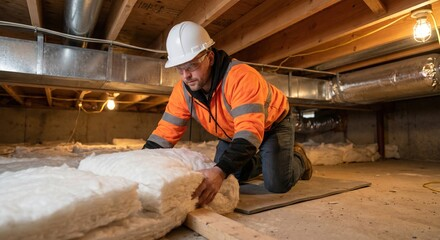
Plumbing is the system of pipes, fixtures and appliances that carry water and sewage in residential and commercial buildings. Plumbers install, repair and maintain these systems to ensure safe and efficient operation.

Plumbing is an ideal career choice for people who enjoy working with their hands and solving problems. It also offers excellent job security, especially for those who choose to become licensed plumbers.
Pipes are the backbone of any plumbing system, transporting water and waste between fixtures like sinks, toilets, showers, and bathtubs. They are usually made of a sturdy material like metal or plastic and feature a smooth inner lining to prevent buildup of sediment, which can affect the flow of water and cause blockages. Properly installing and repairing pipes is essential for maintaining your plumbing system and avoiding expensive repairs or replacements.
Pipes come in a wide range of sizes and materials to suit different applications. For example, copper pipes are known for their durability and can last upwards of 50 years. However, these pipes are quite heavy and require diligent maintenance to avoid issues like corrosion and water leaks. Meanwhile, PVC pipes are a popular option for both residential and commercial plumbing systems. These pipes are resistant to corrosion and chemicals, making them ideal for kitchens and bathrooms. In addition, PVC pipes are also a great choice for plumbing systems that require more flexibility than rigid pipes like steel or cast iron.
Aside from pipes, there are also a variety of plumbing fittings available that can help you make the most of your pipelines. These include piping elbows, tee connections, reducers, pipe unions, and a variety of couplings. You can also find caps and plugs that close off openings on pipes for easy maintenance and repair.
Other types of plumbing pipes include galvanized steel, acrylonitrile butadiene styrene (ABS), and polyvinyl chloride (PVC). ABS is a popular type of plumbing pipe for drain and sewer systems due to its low cost and durability. However, it is not recommended for use in plumbing systems that require a high level of flexibility or for use outdoors because it can deteriorate under direct sunlight and may leach harmful chemicals into drinking water.
When it comes to selecting the right type of pipe for your plumbing needs, you should always consult with a professional plumber. A plumber can assess your property, local water conditions, and budget to recommend the most suitable type of pipe for your plumbing system.
Fixtures
Plumbing fixtures are a critical component of your home’s plumbing system. They include sink faucets, toilets, shower heads, bathtubs, and more. These devices are important because they allow you to use water effectively and efficiently. They also add to the aesthetics of your home’s interior design.
When choosing your home’s plumbing fixtures, consider your personal style and practical needs. The market is teeming with options that will complement any decor, from sleek modern to classic traditional. There are even a variety of finishes to choose from, such as chrome, brushed nickel, and matte black.
Upgrading your fixtures is a great way to improve the overall look of your home and elevate your design. However, it’s important to remember that your fixtures are not a permanent part of your home. They are subjected to heavy usage, so they may wear down and need to be replaced. Upgrading your fixtures to higher quality materials can help them last longer, reducing the need for frequent repairs and replacements.
Aside from wearing down due to wear and tear, fixtures can also become damaged by environmental factors such as humidity, temperature fluctuations, and sunlight exposure. Additionally, if you’re not properly cleaning and maintaining your fixtures, they can suffer from mineral deposits and soap scum buildup, which can affect performance.
If you’re considering upgrading your fixtures, it’s important to work with a qualified professional who will ensure that the new ones are installed correctly. This will prevent leaks and other issues that can significantly reduce their lifespan.
Finally, make sure that the new fixtures you choose are energy efficient. This will save you money on your utility bills and help to protect the environment. Many municipalities offer incentives and rebates for installing these fixtures.
Upgrading your home’s plumbing fixtures is an excellent investment for both your comfort and the value of your property. By choosing high-quality fixtures that match your home’s style, you can create a unique design that will enhance both the function and appearance of your home.
Drains
Drains are the primary conduit for waste water to flow away from plumbing fixtures. When operating properly, they funnel wastewater into a sewer system or septic tank for processing and disposal. However, when they are blocked or clogged, they can cause wastewater to back up into the house. This is why regular inspections are important, as well as keeping up with routine cleaning and maintenance.
When drains become clogged or blocked, it can lead to a variety of issues, including hard water buildup and the growth of bacteria that can contribute to health problems. Fortunately, most plumbing professionals have the tools and experience necessary to clean and maintain your drain lines and prevent future issues.
One of the most important parts of a plumbing system is the drain line, which is responsible for carrying waste water from all household fixtures and appliances to the sewer system or septic tank. This pipe is usually made of PVC, ABS, or cast iron. It also contains a trap that sits beneath each fixture and holds a small amount of water to prevent sewage gases and odors from entering the living space.
Another vital part of a plumbing system is the vent pipe, which extends from the drain line at each fixture and into the roof. This pipe helps to create positive air pressure in the drain system, preventing negative pressure that could slow down or stop the flow of wastewater. It also helps to reduce unpleasant odors from the drain system by releasing sewer gases into the air outside.
While many homeowners try to tackle drain cleaning and maintenance on their own, this is generally a job best left to a professional plumber. Not only do they have the skills and equipment needed to clean and maintain your drains, but they can also ensure that the job is completed safely and correctly. This is especially important for gas plumbing, as faulty or incorrect installation can be very dangerous.
It is also important to note that there are different types of piping materials used in plumbing systems, and each type has its own benefits and drawbacks. PVC pipes are the most common, and these are durable, versatile, and cost-effective. However, PVC is not suitable for corrosive environments, and it can be difficult to repair or replace when damaged. Polypropylene (PP) is an alternative to PVC, and it has gained popularity in Europe due to its durability, sustainability, and eco-friendliness. However, it is still relatively new to the United States, and it is more expensive than traditional piping options.
Sewers
Sewers are the pipes that carry wastewater from homes and businesses to sewage treatment plants. They are a vital part of our plumbing infrastructure, and they must be kept in good condition to ensure safe, effective operation. When a sewer line is damaged or in need of replacement, it can cause major problems for households and business, including costly repairs and contaminated water. Homeowners can take several steps to protect their sewer lines, such as maintaining proper waste disposal practices and keeping up with routine maintenance.
The most important consideration in preserving the integrity of a sewer system is preventing obstructions from entering the pipes. Common obstacles include tree roots, broken or cracked pipes, and clogged drains. It is essential to keep an eye out for these issues and have them addressed as soon as possible to prevent extensive damage.
Most modern homes feature sewer pipes made of plastic, while older homes may use clay or cast iron. Each type has its own set of advantages and disadvantages, so homeowners should understand their options before making a decision about repair or replacement.
When selecting a plumber for sewer pipe work, ask about an estimated start and completion date. This will give you an idea of how long the project should take and allow you to plan accordingly. Be sure to communicate with your contractor about potential roadblocks that could delay progress, such as weather or delays in obtaining permits or materials.
A properly functioning sewer system is crucial for protecting public health and safeguarding property values. It is important to have an expert assess your sewer line regularly, so that minor issues can be resolved before they become big problems. Regular maintenance can also help prevent costly repairs in the future and extend the life of your sewer lines.
Among the most common signs of a malfunctioning sewer line are foul smells, backed-up toilets, and water pooling in the yard. It is important to note that these symptoms can indicate a number of different problems, including clogs, breaks, and leaks. Fortunately, the experts at JustUs Plumbing are well-versed in the repair and replacement of sewer lines and can help you protect your investment.