A home is only as strong as the foundation supporting it. While beautiful interiors, updated kitchens, and attractive landscaping often receive the most attention, the foundation quietly carries the weight of the entire structure every single day. When foundation problems begin to develop, they rarely stay isolated beneath the home. Small cracks can grow larger, doors may stop closing properly, floors can become uneven, and other structural issues may gradually appear. These changes often happen slowly, making them easy to overlook until repairs become more extensive. Understanding Importance Of Foundation Repair helps homeowners protect their investment, preserve structural stability, and avoid problems that could become significantly more costly over time.
Why Is a Strong Foundation So Important?
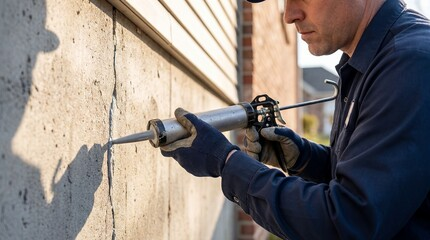
The foundation serves as the structural base that supports every part of a building. Walls, floors, ceilings, roofing systems, windows, and doors all rely on a stable foundation to remain properly aligned and perform as intended. When the foundation remains level and secure, the rest of the home functions more efficiently and experiences less structural stress. This stability contributes to the long-term durability of the entire property. A well-maintained foundation provides the support necessary for every other building component.
A strong foundation also helps distribute the weight of the home evenly across the supporting soil. This balanced distribution reduces unnecessary stress on structural elements while helping the building respond more effectively to normal environmental changes. Without proper support, even minor shifts beneath the structure can gradually affect multiple areas of the home. Maintaining foundation stability protects both the visible and hidden components of the building. Every successful home begins with a dependable foundation.
What Happens If Foundation Problems Are Ignored?
Ignoring foundation problems often allows minor issues to become much more significant over time. Small cracks in walls or floors may initially appear cosmetic, but they can signal gradual movement beneath the structure. As settlement or shifting continues, additional cracks may develop while existing damage becomes more noticeable. Structural movement may eventually affect ceilings, flooring, trim, and other parts of the home. Addressing problems early often prevents this gradual progression from becoming more extensive.
Foundation movement may also interfere with the normal operation of doors and windows. Homeowners frequently notice doors that begin sticking or windows that become difficult to open as the structure shifts slightly out of alignment. Floors may develop uneven areas, and gaps may appear between walls and ceilings. Although each issue may seem relatively small on its own, together they often indicate changes affecting the home’s structural support. Prompt evaluation allows these warning signs to be addressed before further movement occurs.
How Does Foundation Repair Protect the Structure?
Foundation repair helps stabilize the building by addressing the underlying conditions causing structural movement. Rather than focusing only on visible cracks or cosmetic damage, repair efforts are designed to restore support beneath the affected areas of the home. Stabilizing the foundation helps reduce additional movement while protecting the rest of the structure from ongoing stress. Once the foundation becomes more stable, other areas of the home are less likely to experience continued damage. Structural repairs begin with correcting the source of the problem.
Protecting the structure also helps preserve the performance of important building systems. Walls remain better aligned, floors maintain a more level surface, and doors and windows continue functioning properly when the foundation performs as intended. Reducing unnecessary structural movement also helps minimize stress on plumbing lines, finishes, and other construction materials throughout the home. Every component benefits when the foundation remains stable. Repairing the foundation strengthens the building as a whole.
How Can Foundation Repair Save Homeowners Money?
Many homeowners hesitate to address foundation concerns because they worry about repair costs. However, delaying repairs often results in more expensive structural issues later. Continued movement can affect flooring, drywall, cabinetry, plumbing systems, roofing components, and other parts of the home that depend on proper structural support. Repairing these additional areas increases the overall cost of restoration. Addressing foundation problems early often reduces the need for more extensive future repairs.
Early foundation repair may also help prevent repeated cosmetic repairs. Homeowners sometimes repair wall cracks or repaint damaged surfaces only to see the same problems return because the underlying structural movement continues. Correcting the foundation first addresses the root cause rather than repeatedly repairing visible symptoms. This approach often provides greater long-term value while reducing ongoing maintenance expenses. Investing in structural stability frequently protects future renovation investments as well.
What Causes Foundation Problems?
Foundation problems develop for a variety of reasons, with soil movement being one of the most common factors. Soil naturally expands when it absorbs moisture and contracts as it dries. These repeated cycles can gradually affect the support beneath a home’s foundation, particularly when moisture conditions fluctuate significantly throughout the year. Over time, uneven soil movement may contribute to settlement or shifting beneath portions of the structure. Understanding these natural processes helps explain why foundation maintenance remains important.
Drainage issues can also influence foundation performance. Water that collects near the foundation because of poor grading, clogged gutters, or plumbing leaks may alter the supporting soil beneath the home. Excessive moisture can weaken soil stability, while prolonged dry conditions may also contribute to movement depending on local soil characteristics. Proper drainage management helps maintain more consistent conditions around the foundation. Preventing unnecessary moisture accumulation supports long-term structural stability.
How Can Homeowners Help Prevent Foundation Damage?
Routine maintenance plays an important role in protecting the foundation throughout the life of the home. Gutters and downspouts should direct water away from the structure rather than allowing it to collect around the foundation. Landscaping should also encourage proper drainage while preventing excessive water accumulation near exterior walls. Maintaining consistent moisture conditions helps reduce unnecessary soil movement beneath the building. These simple maintenance habits contribute to long-term foundation performance.
Regular inspections also allow homeowners to identify warning signs before they become major structural concerns. Observing new cracks, uneven flooring, sticking doors, or changes around the exterior foundation provides valuable information about the condition of the home. Addressing plumbing leaks promptly further reduces unnecessary moisture exposure beneath the structure. Paying attention to these early indicators often allows repairs to be completed before additional damage develops. Preventive care supports greater long-term stability.
How Does Foundation Repair Protect Property Value?
A stable foundation contributes significantly to the overall value and marketability of a home. Prospective buyers often view structural stability as one of the most important aspects of a property’s condition because it affects every other part of the building. Homes with properly maintained foundations generally create greater confidence during inspections and property evaluations. Demonstrating that foundation concerns have been addressed responsibly supports the home’s long-term appeal. Structural stability remains one of the strongest indicators of responsible property maintenance.
Foundation repair also protects future remodeling and improvement projects. Renovations involving flooring, cabinetry, windows, or interior finishes perform better when completed on a stable structure. Investing in foundation repair before making cosmetic improvements helps preserve those upgrades for many years. A solid structural base supports every future investment made throughout the home. Long-term value begins with dependable structural performance.
Final Thoughts
The importance of foundation repair extends far beyond correcting cracks or uneven floors. A stable foundation supports the entire home, protects structural integrity, reduces the risk of additional damage, and preserves long-term property value. Addressing foundation concerns early helps homeowners avoid more extensive repairs while maintaining the safety, functionality, and appearance of their property. Through routine inspections, proper drainage, and timely repairs when necessary, homeowners can protect one of the most important components of their home. Investing in foundation repair today helps ensure the entire structure remains strong, stable, and dependable for many years to come.